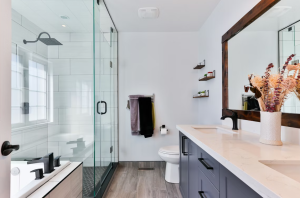

Meta Description: Discover the best bathroom dental care storage solutions for a clutter-free vanity. Complete guide with toothbrush holders, organizer recommendations, and hygiene best practices.
Reading Time: 10 minutes | Difficulty: Beginner | Last Updated: April 2026
Introduction: Why Dental Care Storage Matters
Dental care products are used daily by every household member, yet they remain one of the most common sources of bathroom clutter and hygiene concerns. Toothbrushes left on counters, expired toothpaste tubes hiding in cabinets, and tangled floss containers create both visual chaos and potential health risks. A well-organized dental care storage system protects your family’s oral hygiene tools while maintaining bathroom aesthetics and cleanliness.
This comprehensive guide presents expert-backed bathroom dental care storage solutions recommended by dentists, professional organizers, and hygiene experts. Whether you have a spacious master bathroom or a shared family bathroom, these strategies will help you create a storage system that is hygienic, accessible, and easy to maintain for every family member.
The Hidden Problems with Poor Dental Storage
Most households store dental care products without considering hygiene implications or organization principles. Understanding these problems explains why proper storage matters beyond simple tidiness.
Common Dental Storage Problems:
| Problem | Health Risk | Organization Impact | Solution |
|---|---|---|---|
| Toothbrushes touching each other | Bacteria and germ transfer | Visual clutter | Individual holders with separation |
| Brushes stored near toilet | Airborne bacteria contamination | N/A | Relocate to distant area |
| Expired products kept indefinitely | Reduced effectiveness | Wasted space | Regular purge schedule |
| No family member separation | Cross-contamination | Confusion and disputes | Color-coded or labeled zones |
| Products stored in humid areas | Mold and bacteria growth | Product degradation | Choose ventilated, dry locations |
| No backup supply system | Running out unexpectedly | Last-minute store trips | Maintain 1-2 month backup stock |
Expert Insight: The American Dental Association recommends replacing toothbrushes every 3-4 months. However, studies show average households keep toothbrushes 6-8 months due to poor tracking systems. Organized storage includes replacement reminders.
Step 1: Gather and Audit All Dental Products
Why This Matters: You cannot organize what you do not understand. A complete audit reveals what you have, what is expired, and what storage capacity you actually need.
Dental Product Audit Checklist:
| Product Category | Items to Collect | Check For | Replace If |
|---|---|---|---|
| Toothbrushes | Manual and electric | Bristle wear, age | Frayed bristles or 3+ months old |
| Toothpaste | All tubes and sizes | Expiration date, dryness | Expired or dried out |
| Dental Floss | All types (waxed, unwaxed, picks) | Container damage, age | Old, frayed, or contaminated |
| Mouthwash | All bottles | Expiration date, level | Expired or nearly empty |
| Whitening Products | Strips, trays, gels | Expiration date | Expired (whitening agents degrade) |
| Specialty Items | Retainers, night guards, aligners | Damage, cleanliness | Cracked or ill-fitting |
| Replacement Heads | Electric brush heads | Age, packaging | Opened over 3 months ago |
Audit Process:
- Collect ALL dental products from every bathroom location
- Check expiration dates on all products (toothpaste expires 2 years from manufacture)
- Inspect toothbrush bristles for wear and discoloration
- Discard expired, dried, or contaminated items immediately
- Group remaining items by category and family member
- Measure storage space available in each bathroom
Disposal Guidelines:
- Toothbrushes: Cut bristles with scissors before recycling (prevents jamming)
- Electric brush heads: Check manufacturer recycling programs
- Toothpaste tubes: Rinse and recycle if local program accepts
- Floss containers: Recycle plastic containers, discard floss in trash
- Mouthwash bottles: Rinse and recycle glass or plastic bottles
Pro Tip: Take a photo of your audit results. This baseline helps track consumption patterns and plan future purchases more accurately.
Step 2: Choose the Right Toothbrush Storage System
Why This Matters: Toothbrushes harbor bacteria and require proper ventilation to dry between uses. The right holder protects brush hygiene while fitting your bathroom layout and family size.
Toothbrush Holder Types:
| Holder Type | Capacity | Ventilation | Counter Space | Best For | Price Range |
|---|---|---|---|---|---|
| Countertop Cup Style | 2-6 brushes | Good | 4-6 inch diameter | Small families, guest baths | $10-25 |
| Wall-Mounted Holder | 2-8 brushes | Excellent | Wall space only | Small counters, modern baths | $15-40 |
| UV Sanitizer Holder | 2-6 brushes | Excellent + UV | 6-8 inch diameter | Germ-conscious families | $40-100 |
| Travel Case with Stand | 1-2 brushes | Good | Portable | Travelers, college students | $15-35 |
| Drawer Insert Holder | 2-6 brushes | Moderate | Inside drawer | Minimalist counters | $20-45 |
| Magnetic Wall Mount | 1-4 brushes | Excellent | Wall space only | Contemporary bathrooms | $25-50 |
| Suction Cup Holder | 2-4 brushes | Good | Wall or mirror | Renters, temporary solutions | $12-30 |
Holder Material Comparison:
| Material | Pros | Cons | Best For | Price Range |
|---|---|---|---|---|
| Ceramic | Elegant, stable, easy to clean | Heavy, breakable | Master bathrooms, traditional decor | $20-50 |
| Stainless Steel | Modern, durable, hygienic | Shows water spots | Contemporary bathrooms, men’s bathrooms | $25-60 |
| Bamboo/Wood | Natural aesthetic, eco-friendly | Requires drying, can warp | Spa-like bathrooms, eco-conscious | $20-45 |
| Plastic (BPA-free) | Lightweight, affordable, colorful | Less elegant, stains over time | Family bathrooms, kids’ bathrooms | $10-30 |
| Glass | Elegant, easy to clean | Heavy, breakable, slippery | Luxury bathrooms, low-traffic | $25-55 |
| Silicone | Non-slip, dishwasher safe | Limited styles | Modern bathrooms, easy cleaning | $15-40 |
Key Holder Features:
- Drainage holes at bottom to prevent water accumulation
- Adequate spacing between brush slots (minimum 1 inch)
- Stable base to prevent tipping
- Easy to remove and clean (dishwasher safe preferred)
- Ventilation for air drying
- Appropriate capacity for household size plus guests
Hygiene Best Practices:
- Store toothbrushes upright to allow proper drainage
- Keep brushes at least 3 feet from toilet
- Allow brushes to air dry completely between uses
- Do not cover brushes with caps (traps moisture, promotes bacteria)
- Replace holder if cracked, cloudy, or showing buildup
- Clean holder weekly with hot soapy water or dishwasher
Step 3: Organize Dental Supplies in Drawers or Cabinets
Why This Matters: Toothpaste, floss, mouthwash, and specialty items need organized storage that protects products, enables easy access, and maintains bathroom aesthetics.
Storage Location Options:
| Location | Pros | Cons | Best For |
|---|---|---|---|
| Vanity Drawer (Top) | Easy access, hidden from view | Limited height for tall items | Daily-use supplies |
| Vanity Drawer (Deep) | Large capacity, holds tall bottles | Less convenient access | Backup supplies, bulk items |
| Medicine Cabinet | Protected, out of sight | Limited space, shallow depth | Small items, medications |
| Under-Sink Cabinet | Large capacity, hidden | Potential moisture, less accessible | Bulk storage, backups |
| Open Shelving | Decorative display, accessible | Exposed to humidity, shows clutter | Low-humidity bathrooms, style focus |
| Over-Toilet Cabinet | Utilizes vertical space | Less convenient access | Overflow storage, less-used items |
Drawer Organizer Options:
| Organizer Type | Adjustable | Material | Capacity | Best For | Price Range |
|---|---|---|---|---|---|
| Expandable Dividers | Yes | Bamboo or plastic | Variable | Customizable layouts | $15-35 |
| Fixed Compartment Trays | No | Plastic or acrylic | 6-12 compartments | Consistent organization | $12-30 |
| Modular Bin Systems | Yes | Plastic or metal | Customizable | Flexible storage needs | $20-50 |
| Drawer Insert with Lid | No | Acrylic or wood | 4-8 compartments | Dust protection | $25-55 |
| Hanging Drawer Organizer | No | Fabric or mesh | 4-6 pockets | Shallow drawers | $15-30 |
Organization by Category:
| Category | Items | Storage Method | Access Frequency |
|---|---|---|---|
| Daily Essentials | Toothpaste, current floss, mouthwash | Top drawer, front | Daily |
| Replacement Supplies | Extra toothpaste, floss, brush heads | Top drawer, back | Monthly |
| Specialty Care | Whitening products, sensitivity treatments | Middle drawer | Weekly |
| Family-Specific | Kids’ products, prescription items | Designated compartment | Daily |
| Backup Stock | Bulk supplies, unopened products | Under-sink cabinet | As needed |
| Tools | Tweezers, mirrors, tongue scrapers | Small compartment | Weekly |
Labeling Recommendations:
- Label compartments by product type (Toothpaste, Floss, Mouthwash)
- Color-code by family member in shared bathrooms
- Use clear labels or transparent containers for visibility
- Include expiration date reminders on labels
- Consider picture labels for young children
Step 4: Create Family Member Zones
Why This Matters: Separate zones prevent toothbrush mixing, teach personal hygiene responsibility, reduce germ spread, and eliminate morning routine conflicts.
Zone System Options:
| System Type | How It Works | Best For | Cost | Complexity |
|---|---|---|---|---|
| Color-Coding | Each person assigned a color | Families with children | $10-30 | Low |
| Name Labels | Containers labeled with names | All households | $5-15 | Low |
| Separate Holders | Individual holder per person | Larger families, shared baths | $30-100 | Low |
| Tiered Storage | Different shelves/levels per person | Vertical storage spaces | $20-50 | Moderate |
| Assigned Drawers | Separate drawer per person | Large vanities, multiple users | $0-50 | Low |
Color-Coding Implementation:
- Assign each family member a distinct color
- Purchase color-matched toothbrushes, holders, and containers
- Use colored labels or tape on shared items
- Extend system to towels and washcloths for consistency
- Reassign colors when family members change (guests, roommates)
Age-Appropriate Considerations:
| Age Group | Storage Needs | Safety Considerations | Independence Level |
|---|---|---|---|
| Toddlers (2-4) | Low shelf, picture labels | Childproof caps, no small parts | Needs supervision |
| Children (5-12) | Accessible height, color-coded | Fluoride monitoring, timer reminders | Semi-independent |
| Teens (13-18) | Personal space, style choices | Orthodontic supplies if needed | Independent |
| Adults | Full access, personalized | Prescription items separate | Independent |
| Elderly | Easy-grip containers, good lighting | Arthritis-friendly products | Varies by ability |
Shared Bathroom Solutions:
- Install multiple toothbrush holders (one per person or couple)
- Use drawer dividers to create individual compartments
- Assign specific cabinet shelves to each household member
- Create morning routine schedule to prevent conflicts
- Establish rules about not using others’ products
Step 5: Maintain Dental Product Hygiene
Why This Matters: Dental care products contact your mouth directly. Contaminated products can introduce harmful bacteria, reduce product effectiveness, and compromise oral health.
Hygiene Best Practices:
| Practice | Frequency | Why It Matters |
|---|---|---|
| Replace toothbrushes | Every 3-4 months | Worn bristles clean poorly, harbor bacteria |
| Clean toothbrush holders | Weekly | Prevents bacteria and mold buildup |
| Replace electric brush heads | Every 3 months | Same as manual brushes |
| Check toothpaste expiration | Monthly | Expired toothpaste less effective |
| Replace floss containers | When damaged or old | Frayed floss can injure gums |
| Clean mouthwash caps | Weekly | Cap contacts hands and surfaces |
| Disinfect retainers/night guards | Daily | Prevents bacteria and odor buildup |
| Wash dental storage containers | Monthly | Removes toothpaste residue and bacteria |
Toothbrush Replacement Indicators:
- Bristles appear frayed, bent, or faded
- Brush has been in use 3-4 months
- After illness (cold, flu, strep throat, infection)
- Bristles feel rough or uncomfortable
- Brush has fallen on floor or contaminated surface
- Visible buildup at base of bristles
Contamination Prevention:
- Store toothbrushes at least 3 feet from toilet
- Close toilet lid before flushing (reduces airborne particles)
- Do not share toothbrushes between family members
- Allow brushes to air dry completely between uses
- Do not store brushes in closed containers while damp
- Keep brushes separated (bristles should not touch)
Warning Signs of Contamination:
- Unusual odors from toothbrush or holder
- Visible mold or slime on brush or holder
- Discoloration of bristles not from toothpaste
- Holder shows buildup that will not clean off
- Family member experiences recurring oral infections
Expert Recommendation: After any contagious illness, replace all family members’ toothbrushes simultaneously to prevent reinfection cycle.
Step 6: Track Replacement Schedules
Why This Matters: Dental products lose effectiveness over time. A tracking system ensures timely replacement without relying on memory alone.
Replacement Timeline Reference:
| Product | Replacement Frequency | Reminder Method | Estimated Annual Cost |
|---|---|---|---|
| Manual Toothbrush | Every 3-4 months | Calendar alert, app | $12-40 per person |
| Electric Brush Head | Every 3 months | Subscription, app | $30-80 per person |
| Toothpaste | When empty or 2 years | Visual check | $20-60 per person |
| Dental Floss | When empty or damaged | Visual check | $10-30 per person |
| Mouthwash | When empty or 2 years | Visual check | $15-50 per person |
| Floss Picks | When empty | Visual check | $15-40 per person |
| Whitening Strips | Per package instructions | Package date | $50-200 per person |
| Retainer Cleaner | Monthly | Calendar reminder | $30-60 per person |
Tracking System Options:
| System | Cost | Effort | Effectiveness | Best For |
|---|---|---|---|---|
| Calendar Reminders | Free | Low | High | Tech-comfortable users |
| Phone App Alerts | Free-5 | Low | High | Smartphone users |
| Physical Calendar | $5-15 | Moderate | Moderate | Traditional households |
| Subscription Auto-Delivery | Variable | Minimal | High | Busy families |
| Label with Date | $5-10 | Low | Moderate | All households |
| Smart Toothbrush | $50-200 | Minimal | High | Tech enthusiasts |
Labeling for Tracking:
- Write purchase date on toothpaste tubes with permanent marker
- Label electric brush handles with installation date
- Use colored dots to indicate replacement month
- Create family dental supply chart on cabinet door
- Set phone reminders 2 weeks before replacement due
Pro Tip: Coordinate toothbrush replacement with season changes (January, April, July, October). This pattern is easier to remember than exact dates.
Step 7: Maximize Small Bathroom Dental Storage
Why This Matters: Not everyone has spacious bathroom cabinets. Small bathroom solutions maximize functionality without sacrificing hygiene or accessibility.
Small Bathroom Solutions:
| Solution | Space Required | Cost | Capacity | Best For |
|---|---|---|---|---|
| Wall-Mounted Holder | Wall space only | $15-40 | 2-6 brushes | Tiny bathrooms, powder rooms |
| Over-Sink Caddy | 4-6 inch counter depth | $20-45 | 4-8 items | No cabinet space |
| Magnetic Strip | Wall space only | $15-35 | 2-4 metal items | Modern bathrooms |
| Suction Cup Organizer | Wall or mirror | $12-30 | 3-5 items | Renters, temporary |
| Corner Shelf Unit | Corner space | $25-55 | 6-10 items | Awkward corners |
| Over-Door Rack | Door space | $20-40 | 8-12 items | Vertical storage |
| Drawer Insert Only | Drawer interior | $15-35 | 6-10 items | Hidden storage |
Space-Saving Tips:
- Choose multi-compartment holders (brush + toothpaste + floss)
- Use vertical space with wall-mounted or over-door storage
- Select travel-size products for limited space
- Store backup supplies elsewhere (linen closet, bedroom)
- Consolidate similar products (do you need 5 types of floss?)
- Use clear containers to see contents without opening
Visual Tricks for Small Spaces:
- Match storage color to wall or counter for camouflage
- Use clear acrylic for less visual weight
- Keep only daily essentials visible, store backups hidden
- Choose sleek, minimalist designs over bulky containers
Frequently Asked Questions
Q: How far should toothbrushes be stored from the toilet?
A: Minimum 3 feet (1 meter) is recommended. Studies show toilet flush aerosolizes bacteria up to 6 feet. Closing the toilet lid before flushing significantly reduces contamination range.
Q: Should toothbrushes be covered with caps?
A: No. Caps trap moisture and promote bacteria growth. Toothbrushes need air circulation to dry properly between uses. Use ventilated holders instead.
Q: Can family members share toothpaste?
A: Yes, with precautions. Do not let toothbrush touch the tube directly. Squeeze onto brush or use clean spatula. Consider individual tubes for immunocompromised family members.
Q: How do I know if toothpaste is expired?
A: Check crimp code on tube (usually 4-digit date code). Most toothpaste expires 2 years from manufacture. Expired toothpaste may separate, change texture, or lose fluoride effectiveness.
Q: Should I store dental products in the shower?
A: Not recommended. Shower humidity and water exposure promote mold and bacteria growth. Store dental products in dry areas and retrieve as needed.
Q: How do I clean electric toothbrush handles?
A: Wipe handle with disinfecting wipe weekly. Do not submerge in water. Remove brush head before cleaning. Check manufacturer instructions for specific guidance.
Q: Can I use the same holder for multiple family members?
A: Yes, if brushes are kept separate and not touching. Individual slots with adequate spacing prevent cross-contamination. Clean holder weekly.
Q: What do I do if someone in the house is sick?
A: Replace all family members’ toothbrushes after contagious illness ends. Disinfect holders and storage areas. Consider temporary separation of brushes during illness.
Q: Are UV toothbrush sanitizers worth it?
A: Studies show UV sanitizers reduce bacteria but do not eliminate all microorganisms. Proper storage and regular replacement are more important. UV units are optional enhancement, not necessity.
Q: How do I organize dental products for young children?
A: Use picture labels, color-coding, and low accessible storage. Choose fun holders that encourage use. Supervise brushing until age 7-8. Make storage part of routine teaching.
Common Dental Storage Mistakes to Avoid
Mistake 1: Storing Toothbrushes Near the Toilet
Solution: Relocate holder to opposite side of bathroom or inside cabinet. Minimum 3-foot distance from toilet.
Mistake 2: Never Cleaning Toothbrush Holders
Solution: Establish weekly cleaning routine. Dishwasher-safe holders simplify maintenance.
Mistake 3: Keeping Expired Products
Solution: Audit products quarterly. Mark purchase dates on new items. Discard expired products immediately.
Mistake 4: Sharing Toothbrushes Between Family Members
Solution: Never share toothbrushes. Assign individual brushes and holders. Color-code to prevent accidental mixing.
Mistake 5: Storing Brushes While Wet in Closed Containers
Solution: Allow brushes to air dry completely before travel storage. Use ventilated holders for daily storage.
Mistake 6: No Replacement Tracking System
Solution: Set calendar reminders or use subscription service. Replace brushes every 3-4 months without exception.
Mistake 7: Overcrowded Storage
Solution: Keep only current and backup supplies accessible. Store bulk purchases elsewhere. Crowded storage harbors bacteria.
Mistake 8: Ignoring Children’s Storage Needs
Solution: Create child-height storage with picture labels. Teach proper storage habits early. Make organization fun and accessible.
Dental Care Storage Shopping Guide
Essential Items:
- Toothbrush holder with adequate capacity and ventilation
- Drawer organizer or caddy for supplies
- Labels or label maker for identification
- Backup toothbrushes (1-2 per family member)
- Backup toothpaste and floss (2-3 of each)
Optional Upgrades:
- UV sanitizer holder
- Smart toothbrush with replacement reminders
- Matching container set for cohesive look
- Wall-mounted storage for small bathrooms
- Subscription auto-delivery service
Budget Breakdown:
| Budget Level | Storage Quality | Estimated Cost | Expected Lifespan |
|---|---|---|---|
| Budget | Basic plastic | $25-50 | 1-2 years |
| Mid-Range | Acrylic, ceramic, or bamboo | $50-100 | 3-5 years |
| Premium | Glass, designer, or smart | $100-200 | 5-10 years |
| Luxury | Custom or high-end designer | $200-400+ | 10+ years |
Maintenance Schedule
| Frequency | Task | Time Required |
|---|---|---|
| Daily | Return items to designated spots after use | 30 seconds |
| Weekly | Clean toothbrush holders, wipe storage areas | 5 minutes |
| Monthly | Audit supplies, check expiration dates | 10 minutes |
| Quarterly | Replace toothbrushes, deep clean storage | 15 minutes |
| As Needed | Restock depleted supplies | 2 minutes |
| Annually | Evaluate system effectiveness, adjust as needed | 20 minutes |
Conclusion: Small Changes, Big Health Impact
Organized dental care storage delivers benefits far beyond a tidy bathroom. Proper storage protects your family from harmful bacteria, ensures timely product replacement, and supports consistent oral hygiene habits. The investment is minimal—typically $30-100 for quality storage solutions—yet the health impact is significant.
Choose storage that fits your space, separates family members’ items, and enables easy daily access. Establish simple habits: clean holders weekly, replace brushes quarterly, track expiration dates. Involve all household members in maintaining the system so everyone benefits from organized, hygienic dental storage.
Your family’s oral health deserves this attention. Today’s 1-hour organization session delivers years of daily convenience and health protection. Start with toothbrush storage, establish replacement tracking, then expand your system. Your smile—and your bathroom—will thank you.
Related Resources
- Complete Bathroom Counter Organization Guide
- Best Toothbrush Holders for Family Bathrooms
- Bathroom Hygiene Best Practices
- Kids’ Bathroom Organization Ideas
- Small Bathroom Storage Solutions
Author Note: This guide reflects dental care storage best practices and product recommendations as of April 2026. Consult your dentist for specific oral health recommendations. Prices vary by retailer and region. Always verify product expiration dates and follow manufacturer storage instructions.