
Meta Description: Discover the best walk-in closet organization systems for 2026. Complete guide with expert tips, layout planning, custom solutions, and budget breakdowns for creating your dream organized closet.
Reading Time: 20 minutes | Difficulty: Beginner to Intermediate | Last Updated: April 2026
That Moment When You Cannot Find Anything in Your Walk-In Closet While Getting Ready
You know the feeling. You are getting ready for an important event. You reach into your walk-in closet and… nothing makes sense. Your clothes are piled everywhere. Your shoes are scattered on the floor. Your accessories are tangled in drawers. Your dream closet feels like a storage unit instead of a personal boutique. Your getting-ready momentum is gone. You are late. You spend 30 minutes searching. The day starts stressful. You are annoyed instead of confident.
This is not just frustrating. This is expensive. The average household with a walk-in closet wastes $3000-8000 per year on organization systems that do not work. Another $1500-4000 on duplicate items because they could not find what they already owned. And countless getting-ready moments lost because finding the right outfit took too long.
Good walk-in closet organization is not about having a perfect showroom closet with no items in sight. It is about knowing exactly where every item lives so you can find it in 30 seconds or less. It is about clothes that stay organized and accessible for years. It is about your closet being a personal boutique instead of a storage unit.
This guide shows you how to make that happen. No expensive closet renovation required. No matching storage sets necessary. Just practical, tested walk-in closet organization systems that work for real closets with real people and real organization challenges.
Why Your Current Walk-In Closet Storage Is Wasting Money and Ruining Your Morning
Let us talk about what bad walk-in closet organization actually costs. It is more than just clothing clutter.
The Duplicate Purchase Cost:
When you cannot find what you have, you buy more. That third black dress. The second pair of black heels. The fourth handbag you forgot you owned. The average household spends $3000-8000 per year on duplicate closet items they already owned. This adds up fast.
The Organization System Cost:
Walk-in closet organization systems that do not work get replaced frequently. Organizers that do not fit. Shelving that does not hold enough. The average household wastes $1500-4000 per year on ineffective walk-in closet organization systems. That is money literally thrown away.
The Time Cost:
Thirty minutes per day searching for items in the walk-in closet. That is 100+ hours per year if you search for items five times per week. What could you do with an extra 100 hours? Finish projects faster. Spend time with family. Actually enjoy your closet without morning stress lingering.
The Confidence Cost:
This one matters most. Your closet sets the tone for your entire day. When closet is disorganized, your day feels chaotic. Your closet misses out on the inviting atmosphere that proper organization provides. The mental load of managing closet chaos decreases your enjoyment of your own space.
The Goal:
Your walk-in closet organization should accomplish three things. First, every item is findable in 30 seconds or less. Second, clothes stay organized and accessible for years. Third, your closet feels like a personal boutique instead of a storage unit.
That is it. Nothing fancy. Just functional, sustainable organization that supports your closet instead of sabotaging it.
The Great Closet Audit: Face Your Clothing Collection
Before you buy a single closet organizer or shelving unit, you need to know what you are working with. Most homeowners have no idea how much clothing they actually own.
The Weekend Closet Audit:
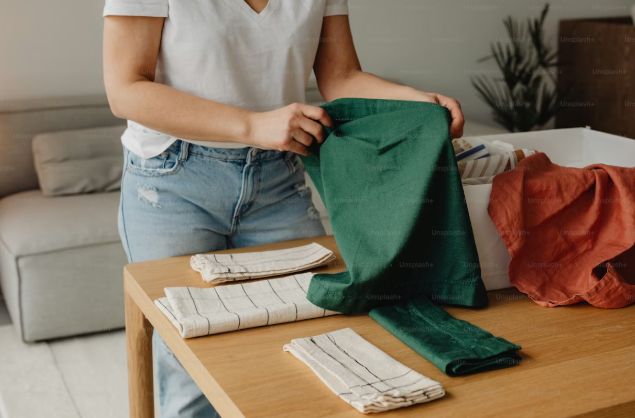
Set aside 6-8 hours on a weekend. Empty every shelf, drawer, and hanging area where closet items live. Every shirt. Every pair of pants. Every shoe. Every accessory. Every handbag. Bring everything out where you can see it all. Yes, even that shelf you have not opened since you got that organization set last Christmas. Yes, even the corner where items go to disappear.
Lay everything out where you can see it all. This moment is eye-opening. Most homeowners discover they own 3-5 of common items. Multiple black dresses. Fourteen pairs of black heels when four would suffice. Items from fashion phases they have moved through.
Sort Into Four Piles:
Keep: Items in good condition that you actually wear. Not the items you think you should wear. The items you actually reach for when getting dressed.
Replace: Items that are damaged or compromised. Broken zippers. Worn elbows. If it is essential and fixable, replace it.
Donate: Good condition but you do not wear them. Extra items from gifts. Complete sets you will never use. Items from fashion phases you have moved through.
Toss: Items with permanent damage. Broken beyond repair. Anything with stains or contamination. Single items from sets where others are missing.
What You Will Discover:
Most homeowners find they have items from fashion phases they completed years ago. That specialty dress from the one time you tried exotic fashion in 2023. The specialty items from fashion phases you have moved through. The duplicate items from gifts you received but never needed.
This is normal. This is also fixable.
Keep what you actually wear. Replace what is damaged. Donate what you do not need. Toss what is broken. This alone frees up 40-60% of your walk-in closet storage space.
Walk-In Closet Item Quantity Guidelines:
| Household Size | Hanging Clothes | Folded Clothes | Shoes | Accessories | Handbags | Total Items |
|---|---|---|---|---|---|---|
| 1 Person | 50-100 | 30-60 | 20-40 | 30-60 | 10-20 | 140-280 items |
| 2 People | 100-200 | 60-120 | 40-80 | 60-120 | 20-40 | 280-560 items |
| 3-4 People | 150-300 | 90-180 | 60-120 | 90-180 | 30-60 | 420-840 items |
| 5+ People | 200-400 | 120-240 | 80-160 | 120-240 | 40-80 | 560-1120 items |
Item Condition Guidelines:
| Condition | Keep | Donate | Toss |
|---|---|---|---|
| Good condition, will wear | Yes | No | No |
| Good condition, never worn | No | Yes | No |
| Minor damage, fixable | Yes (repair) | No | No |
| Major damage, broken | No | No | Yes |
| Stained or contaminated | No | No | Yes |
| Outgrown (children) | No | Yes | No |
The Hard Questions:
“But It Was Expensive”:
That $500 designer dress is not worth $500 if it sits unworn. It is worth $0. Donate it to someone who will wear it. That honors the investment better than letting it collect dust.
“But I Might Wear It Someday”:
Someday rarely comes. If you have not worn it in 12 months, you will not wear it in the next 12 months either. Trust the pattern.
“But It Was a Gift”:
The gift served its purpose when you received it. You do not honor the giver by keeping items you will never wear. You honor them by wearing gifts or passing them to someone who will.
Plan Your Layout: Custom Design Meets Function
Your walk-in closet has more usable space than you think. The key is utilizing a layout that serves both function and accessibility. Proper layout planning transforms closet chaos into functional storage.
Why Layout Planning Works:
Layout planning creates designated spots for each item type. No more stacking damage. No more digging through piles. Everything is accessible without moving other items. Your closet becomes functional instead of frustrating.
Layout Options:
L-Shaped Layout:
- Best for: Medium walk-in closets, corner utilization
- Price: $3000-10000 installed
- Best feature: Corner space utilization, efficient flow
- Considerations: Requires adequate corner space, professional installation
U-Shaped Layout:
- Best for: Large walk-in closets, maximum storage
- Price: $5000-20000 installed
- Best feature: Maximum storage capacity, boutique feel
- Considerations: Requires large space, expensive
Galley Layout:
- Best for: Narrow walk-in closets, efficient use
- Price: $2000-8000 installed
- Best feature: Narrow space optimization, affordable
- Considerations: Limited width, requires adequate length
Island Layout:
- Best for: Extra large walk-in closets, luxury feel
- Price: $8000-30000 installed
- Best feature: Center island storage, luxury boutique feel
- Considerations: Requires very large space, expensive
Layout Best Practices:
Measure Accurately:
Measure closet dimensions before planning layout. This prevents fit issues. This protects your investment.
Consider Traffic Flow:
Plan for adequate walking space. This prevents cramped feeling. This improves accessibility.
Zone by Category:
Zone closet by clothing category. This improves organization. This speeds up getting dressed.
Layout Quantity Guidelines:
| Closet Size | Layout Type | Investment Range |
|---|---|---|
| Small (5×5 to 7×7 ft) | Galley or L-shaped | $2000-8000 |
| Medium (7×7 to 10×10 ft) | L-shaped or U-shaped | $5000-15000 |
| Large (10×10 to 15×15 ft) | U-shaped or Island | $10000-25000 |
| Extra Large (15×15+ ft) | Island with custom | $20000-50000 |
Install Custom Closet Systems: Maximum Storage Meets Personalization
Not all walk-in closet storage needs to be standard. Some deserves to be custom. Custom closet systems keep your closet looking clean while keeping items accessible.
Why Custom Systems Work:
Custom systems hide items from scattered view. No more items on every surface. No more items lost in dark corners. Your closet looks styled instead of stuffed.
Custom System Options:
Hanging Rod Systems:
- Best for: Dresses, shirts, pants, jackets
- Price: $500-2000 per wall
- Best feature: Maximum hanging capacity, adjustable
- Considerations: Requires adequate wall space, installation
Shelving Systems:
- Best for: Folded clothes, shoes, accessories
- Price: $800-3000 per wall
- Best feature: Flexible storage, customizable heights
- Considerations: Requires planning, professional installation
Drawer Systems:
- Best for: Underwear, socks, accessories, jewelry
- Price: $1000-5000 per unit
- Best feature: Hidden storage, organized compartments
- Considerations: Expensive, requires adequate space
Shoe Storage Systems:
- Best for: Shoe collection, organized display
- Price: $600-3000 per unit
- Best feature: Shoe protection, visible organization
- Considerations: Requires adequate space, maintenance
Custom System Best Practices:
Mix Storage Types:
Mix hanging, shelving, and drawers. This accommodates different item types. This maximizes functionality.
Adjustable Heights:
Choose adjustable shelving and rods. This accommodates changing needs. This extends system life.
Quality Materials:
Choose quality materials for custom systems. This prevents premature wear. This protects your investment.
Custom System Quantity Guidelines:
| Closet Size | System Components | Investment Range |
|---|---|---|
| Small (5×5 to 7×7 ft) | 2-4 components | $3000-10000 |
| Medium (7×7 to 10×10 ft) | 4-8 components | $8000-20000 |
| Large (10×10 to 15×15 ft) | 8-12 components | $15000-35000 |
| Extra Large (15×15+ ft) | 12+ components | $30000-80000 |
Create Island Storage: Luxury Storage Meets Functionality
Here is the truth. Most walk-in closet organization systems fail not because they are bad systems, but because center space is not utilized properly. Island storage fixes this.
Why Island Storage Works:
Island storage removes surface fatigue. You do not think about where to fold clothes. The island tells you. Family members do not guess where to fold clothes. The island tells them.
Island storage creates accountability. When clothes are folded properly, they do not get lost. When clothes are not folded, they become chaos.
Island storage saves money. The average household saves $500-1000 per year on reduced duplicate purchases with proper island storage. That is significant savings.
Island Storage Options:
Drawer Islands:
- Best for: Underwear, socks, accessories, jewelry
- Price: $3000-10000
- Best feature: Hidden storage, surface space
- Considerations: Requires large closet, expensive
Open Shelf Islands:
- Best for: Folded clothes, display items
- Price: $2000-8000
- Best feature: Visible organization, surface space
- Considerations: Requires large closet, shows clutter
Combination Islands:
- Best for: Maximum flexibility, mixed storage
- Price: $4000-15000
- Best feature: Hidden and visible storage, versatile
- Considerations: Requires large closet, expensive
Island Storage Best Practices:
Size Appropriately:
Choose island sizes based on closet size. Large islands for large closets. Small islands for medium closets. Match capacity to actual space.
Include Surface Space:
Include surface space on island. This provides folding area. This improves functionality.
Add Seating:
Add seating near island. This improves user experience. This encourages organization.
Island Storage Quantity Guidelines:
| Closet Size | Island Type | Investment Range |
|---|---|---|
| Small (under 7×7 ft) | No island | $0 |
| Medium (7×7 to 10×10 ft) | Small island | $2000-6000 |
| Large (10×10 to 15×15 ft) | Medium island | $5000-12000 |
| Extra Large (15×15+ ft) | Large island | $10000-25000 |
Utilize Vertical Space: Ceiling-to-Floor Storage Meets Efficiency
Not all walk-in closet storage needs to be at eye level. Some deserves to be vertical. Vertical storage keeps your closet looking clean while keeping items accessible.
Why Vertical Storage Works:
Vertical storage hides items from scattered view. No more items on every surface. No more items lost in dark corners. Your closet looks styled instead of stuffed.
Vertical Storage Options:
Ceiling-High Shelving:
- Best for: Seasonal items, infrequent items
- Price: $500-2000 per wall
- Best feature: Maximum capacity, utilizes full height
- Considerations: Requires ladder, high items hard to reach
Over-Door Storage:
- Best for: Accessories, shoes, small items
- Price: $100-500 per door
- Best feature: Utilizes door space, affordable
- Considerations: Limited capacity, door clearance
Hanging Organizers:
- Best for: Accessories, shoes, small items
- Price: $50-200 per organizer
- Best feature: Affordable, easy to install
- Considerations: Limited capacity, can look cluttered
Stackable Storage:
- Best for: Folded clothes, accessories
- Price: $200-800 per set
- Best feature: Flexible, affordable
- Considerations: Can become unstable, requires monitoring
Vertical Storage Best Practices:
Store by Frequency:
Store frequently used items at eye level. This improves accessibility. This speeds up getting dressed.
Use Ladders Safely:
Use ladders safely for high items. This prevents accidents. This protects your family.
Label High Storage:
Label high storage clearly. This helps identification. This prevents confusion.
Vertical Storage Quantity Guidelines:
| Closet Size | Vertical Units | Investment Range |
|---|---|---|
| Small (5×5 to 7×7 ft) | 2-4 units | $500-2000 |
| Medium (7×7 to 10×10 ft) | 4-8 units | $1000-4000 |
| Large (10×10 to 15×15 ft) | 8-12 units | $2000-8000 |
| Extra Large (15×15+ ft) | 12+ units | $4000-15000 |
Add Proper Lighting: Visibility Meets Luxury
Here is the truth. Most walk-in closet organization systems fail not because they are bad systems, but because lighting is not adequate properly. Proper lighting fixes this.
Why Proper Lighting Works:
Proper lighting removes visibility fatigue. You do not think about whether you can see items. The lighting tells you. Family members do not guess whether they can see items. The lighting tells them.
Proper lighting creates accountability. When items are visible, they do not get lost. When items are not visible, they become chaos.
Proper lighting saves money. The average household saves $300-600 per year on reduced duplicate purchases with proper lighting. That is significant savings.
Lighting Options:
Overhead Lighting:
- Best for: General illumination, overall visibility
- Price: $200-1000
- Best feature: Overall visibility, affordable
- Considerations: Can create shadows, requires ceiling access
Task Lighting:
- Best for: Specific areas, detailed visibility
- Price: $100-500 per light
- Best feature: Focused illumination, adjustable
- Considerations: Multiple lights needed, requires wiring
LED Strip Lighting:
- Best for: Cabinet interiors, accent lighting
- Price: $50-300 per strip
- Best feature: Energy efficient, flexible installation
- Considerations: Requires power access, adhesive may fail
Motion Sensor Lighting:
- Best for: Automatic illumination, convenience
- Price: $100-500 per sensor
- Best feature: Automatic on/off, energy efficient
- Considerations: Requires power access, can be sensitive
Lighting Best Practices:
Layer Lighting:
Layer multiple lighting types. This prevents shadows. This improves visibility.
Choose Right Color Temperature:
Choose 3000-4000K color temperature. This provides natural light. This improves color accuracy.
Include Dimmers:
Include dimmers for flexibility. This adjusts lighting for mood. This improves user experience.
Lighting Quantity Guidelines:
| Closet Size | Lighting Fixtures | Investment Range |
|---|---|---|
| Small (5×5 to 7×7 ft) | 2-4 fixtures | $300-1500 |
| Medium (7×7 to 10×10 ft) | 4-8 fixtures | $600-3000 |
| Large (10×10 to 15×15 ft) | 8-12 fixtures | $1200-6000 |
| Extra Large (15×15+ ft) | 12+ fixtures | $2000-10000 |
Small Walk-In Closet Solutions: Maximum Luxury in Minimal Space
Small walk-in closets need organization most. But they have the least space to work with. These solutions maximize every inch.
Vertical Storage:
Wall-Mounted Shelves:
Install wall-mounted shelves. Utilize wasted wall space. Store items on shelves. This frees up floor space for other items.
Price: $200-800 for set
Hanging Organizers:
Install hanging organizers. Utilize rod space efficiently. Store accessories. This frees up shelf space.
Price: $50-200 for set
Multi-Function Solutions:
Storage Ottomans:
Use storage ottomans for seating and storage. Dual-purpose furniture. Perfect for tiny walk-ins.
Price: $200-800
Fold-Down Tables:
Choose tables that fold down. Utilize wall space. Maximizes function in minimal footprint.
Price: $300-1000
Hidden Storage:
Behind-Door Storage:
Install behind-door storage. Utilize door space efficiently. Store items hidden but accessible.
Price: $100-400
Under-Shelf Baskets:
Use under-shelf baskets. Store items in baskets. Items hidden but accessible. Maintains closet aesthetics.
Price: $50-200 for set
Small Walk-In Closet Guidelines:
| Closet Size | Item Capacity | Storage Priority |
|---|---|---|
| Under 5×5 ft | 100-200 items | Vertical + hidden |
| 5×5 to 7×7 ft | 200-400 items | Multi-function furniture |
| 7×7 to 10×10 ft | 400-800 items | Full zone system |
| 10×10+ ft | 800+ items | Custom solutions |
Maintain Your Walk-In Closet: The 30-Minute Habit That Keeps It Working
Walk-in closet organization is not a one-time project. It is an ongoing practice. But it does not need to be time-consuming. Thirty minutes per week keeps your system working.
The 30-Minute Weekly Reset:
After your weekly closet use, spend 30 minutes on closet maintenance.
Tasks:
- Return items to designated spots
- Check for any damaged items
- Ensure storage is closed properly
- Quick assessment of what needs replacing
- Wipe down surfaces
This prevents item loss and keeps system functional.
The Monthly Assessment:
Once per month, spend 45-60 minutes on deeper walk-in closet maintenance.
Tasks:
- Check item condition (damage, wear)
- Assess storage effectiveness
- Note any items needing replacement
- Update labels if needed
- Wipe down all storage areas
This catches small problems before they become big problems.
The Quarterly Deep Dive:
Four times per year, spend 90-120 minutes. Deep clean your walk-in closet storage. Reorganize any areas that are not working. Donate items you have not worn. Assess what is working and what is not.
Tasks:
- Empty and clean all closet storage
- Check all items for damage
- Assess storage system effectiveness
- Donate unworn items
- Adjust system as needed
This keeps your system evolving with your actual wearing habits.
Item Replacement Schedule:
| Item Type | Typical Lifespan | Replacement Signs |
|---|---|---|
| Hanging clothes | 2-5 years | Wear, damage, outgrown |
| Folded clothes | 2-5 years | Wear, damage, outgrown |
| Shoes | 2-5 years | Wear, sole damage, outgrown |
| Accessories | 3-5 years | Wear, damage, outgrown |
| Handbags | 5-10 years | Wear, damage, hardware failure |
Getting Family On Board:
If you share your home, family members need to understand the system. Otherwise, they will use items and not return them properly.
Show Them Where Everything Lives:
Walk through the system. Explain where each item lives. Make it easy for them to succeed.
Set Clear Expectations:
Items get returned after each use. Storage gets closed properly. Simple rules, consistently enforced.
Make It Worth Their While:
When items are organized, getting dressed is faster and easier. Everyone benefits. Point this out.
The Reality Check:
Perfection is not the goal. Function is the goal. Some days you will not have time to return every item perfectly. That is okay. The system should be forgiving enough to recover quickly.
Aim for 80% maintenance. If items are returned to correct locations 80% of the time, the system works. Do not stress about the other 20%.
Special Walk-In Closet Solutions: One Size Does Not Fit All
Different walk-in closets need different solutions. A one-size-fits-all approach fails. Match your solution to each closet’s specific needs.
Minimalist Closet:
Best For: Simple wardrobe, small collections
Recommended Solution:
Simple organizers, basic shelving, minimal labeling. Focus on simplicity and ease of use.
Price: $2000-6000 for complete system
Family Closet:
Best For: Multiple users, high usage
Recommended Solution:
Individual zones, durable organizers, clear labeling. Focus on accessibility and durability.
Price: $6000-20000 for complete system
Small Walk-In:
Best For: Limited space, multi-function needs
Recommended Solution:
Vertical storage, hidden options, compact furniture. Maximize every inch.
Price: $3000-10000 for complete system
Luxury Closet:
Best For: Serious collectors, large collection
Recommended Solution:
Custom systems, premium organizers, detailed labeling. Focus on organization and preservation.
Price: $15000-50000 for complete system
Specialty Walk-In Closet Solutions:
| Closet Type | Best Solution | Price Range | Maintenance Level |
|---|---|---|---|
| Minimalist | Simple organizers + basic | $2000-6000 | Low |
| Family | Individual zones + durable | $6000-20000 | Medium |
| Small walk-in | Vertical + hidden | $3000-10000 | Medium |
| Luxury | Custom systems + premium | $15000-50000 | High |
Your Action Plan: Start This Weekend
Do not wait for the perfect closet renovation. Start with what you have and improve over time.
This Weekend (6-8 hours):
- Complete the closet audit
- Sort into keep, replace, donate, toss piles
- Set up basic organizers
- Label all storage areas
- Organize first zone
Next Weekend (4-6 hours):
- Install remaining storage solutions
- Set up lighting system
- Organize all items
- Create simple inventory list
Ongoing (30 minutes weekly):
- Weekly reset habit
- Return items after each use
- Monthly item check
- Quarterly deep dive
Budget Breakdown:
Minimalist ($2000-6000):
- Basic organizers (20-40)
- Simple shelving
- Basic labels
- Covers 80% of needs
Moderate ($6000-20000):
- Quality organizers (40-80)
- Quality shelving
- Label maker
- Covers 95% of needs
Comprehensive ($20000-50000+):
- Premium organizer system
- Complete shelving system
- Custom solutions
- Professional organization
- Covers 100% of needs
The Bottom Line: Your Walk-In Closet Should Support Your Wardrobe, Not Sabotage It
Your walk-in closet items deserve better than floor piles and chaotic shelves. You deserve to find what you need in 30 seconds. Your items deserve to stay organized for years. Your closet deserves to be a personal boutique instead of a storage unit.
Start small. This weekend. Audit your items. Clear out the broken and unworn. Set up your storage system. Label everything. Build from there.
Two months from now, you will not remember the time you spent organizing. But you will remember every single time you found the right item instantly. Every getting-ready session that started with a functional closet. Every moment of confidence that was joyful instead of frustrating.
That is worth a weekend of work.
Related Resources
- Complete Closet Organization Guide
- Clothing Care and Maintenance Guide
- Small Closet Storage Solutions
- Wardrobe Planning and Management Guide
- Home Organization Systems Guide