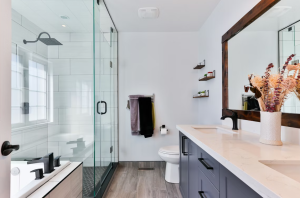

Meta Description: Discover expert bathroom hair tool storage solutions for a clutter-free vanity. Complete guide with heat-safe organizers, cord management tips, and drawer organization ideas.
Reading Time: 11 minutes | Difficulty: Beginner | Last Updated: April 2026
Introduction: Why Hair Tool Storage Matters
Hair tools are essential for daily beauty routines, yet they remain one of the most common sources of bathroom counter clutter. Hot styling tools left on counters, tangled cords hiding in drawers, and scattered accessories create visual chaos while potentially damaging expensive equipment. A well-organized hair tool storage system protects your investment, speeds up your routine, and maintains a serene bathroom aesthetic.
This comprehensive guide presents expert-backed bathroom hair tool storage solutions recommended by professional organizers and beauty experts. Whether you have a spacious vanity or a compact bathroom, these strategies will help you create a storage system that is safe, accessible, and easy to maintain.
The Hidden Problems with Poor Hair Tool Storage
Most people store hair tools without considering safety, organization, or tool longevity. Understanding these problems explains why proper storage matters beyond simple tidiness.
Common Hair Tool Storage Problems:
| Problem | Safety Risk | Tool Damage | Solution |
|---|---|---|---|
| Hot tools on counter | Burn hazard, fire risk | Surface damage | Heat-resistant holders |
| Cords left tangled | Tripping hazard | Cord damage, fraying | Cord management system |
| Tools stored while hot | Fire risk, melting | Internal damage | Cooling station |
| No designated storage | Clutter, lost items | Scratches, drops | Dedicated organizers |
| Humidity exposure | Electrical hazard | Rust, corrosion | Dry storage location |
Expert Insight: According to fire safety data, hair styling tools left plugged in or hot on surfaces cause approximately 4,000 home fires annually in the United States alone. Proper storage significantly reduces this risk.
Step 1: Gather and Assess All Hair Tools
Why This Matters: You cannot organize what you do not understand. A complete audit reveals what you have, what is broken, and what storage capacity you actually need.
Hair Tool Audit Checklist
| Tool Category | Items to Check | Keep If | Discard If |
|---|---|---|---|
| Hot Tools | Hair dryers, straighteners, curling irons | Works properly, used monthly | Broken, unused 6+ months |
| Styling Tools | Brushes, combs, clips | Clean, functional | Broken, worn bristles |
| Accessories | Hair ties, bobby pins, clips | Good condition, matching | Stretched, rusty, mismatched |
| Products | Heat protectant, styling products | Not expired, used regularly | Expired, separated, unused |
| Cords/Adapters | Power cords, voltage adapters | Intact, functional | Frayed, damaged, missing |
Assessment Process
1. Collect everything in one place
- Gather tools from all bathroom locations
- Include drawers, cabinets, and counter items
- Check bedroom and travel bags for stray items
2. Test each tool
- Plug in hot tools to verify function
- Check cords for damage or fraying
- Ensure all attachments are present
3. Sort into categories
- Keep: Used regularly, good condition
- Donate: Good condition but unused
- Discard: Broken, damaged, or unsafe
4. Count daily-use items
- Tools used every day stay accessible
- Weekly tools can be stored in drawers
- Monthly tools can go in cabinets
Pro Tip: Take a photo of your collection before organizing. This helps track what you have and prevents duplicate purchases.
Step 2: Use Heat-Resistant Holders and Cooling Stations
Why This Matters: Hot tools need safe cooling areas to prevent burns, counter damage, and fire hazards. Proper cooling stations protect both your tools and your bathroom surfaces.
Heat-Resistant Storage Options
| Product Type | Heat Resistance | Best For | Price Range |
|---|---|---|---|
| Silicone Mats | Up to 450°F | Counter cooling | $10-25 |
| Metal Holders | Up to 500°F | Vertical storage | $15-40 |
| Ceramic Trays | Up to 400°F | Decorative cooling | $20-50 |
| Hanging Pouches | Up to 350°F | Cabinet storage | $15-35 |
| Rolling Carts | Up to 400°F | Multiple tools | $30-80 |
Cooling Station Placement
Counter Placement:
- Position away from sink splash zone
- Keep away from flammable items (towels, paper)
- Ensure stable, flat surface
- Allow 2-3 inches around tool for air circulation
Cabinet Placement:
- Use only after tools have cooled completely
- Ensure adequate ventilation
- Keep away from water pipes
- Consider heat-resistant lining
Recommended Cooling Routine
After Using Hot Tools:
1. Unplug immediately after use
2. Place on heat-resistant mat or holder
3. Allow 10-15 minutes cooling time
4. Verify cool to touch before storing
5. Wrap cord neatly and store
Safety Features to Look For
| Feature | Benefit | Importance |
|---|---|---|
| Auto Shut-Off | Prevents overheating | Critical |
| Heat-Resistant Materials | Protects surfaces | Critical |
| Non-Slip Base | Prevents tipping | High |
| Ventilation Slots | Faster cooling | Medium |
| Cord Storage | Prevents tangling | Medium |
Expert Recommendation: Invest in tools with automatic shut-off features. This safety feature prevents fires if you forget to unplug.
Step 3: Install Drawer Organizers for Hidden Storage
Why This Matters: Drawer storage keeps counters clear, protects tools from dust and damage, and maintains a clean bathroom aesthetic while keeping tools accessible.
Drawer Organizer Types
| Organizer Type | Best For | Capacity | Price Range |
|---|---|---|---|
| Adjustable Dividers | Custom layouts | Variable | $15-35 per drawer |
| Acrylic Trays | Visibility, easy cleaning | 5-10 tools | $20-50 per set |
| Fabric Bins | Soft storage, quiet | 3-8 tools | $10-30 per set |
| Bamboo Organizers | Natural aesthetic | 5-10 tools | $25-60 per set |
| Custom Inserts | Maximum optimization | Custom | $50-150 per drawer |
Drawer Layout Recommendations
Top Drawer (Daily Tools):
| Section | Items | Organizer Type |
|---|---|---|
| Hot Tools | Straightener, curling iron | Heat-resistant tray |
| Styling Tools | Brushes, combs | Divided tray |
| Small Accessories | Clips, ties, pins | Small compartment tray |
| Products | Heat protectant, spray | Upright bin |
Middle Drawer (Weekly Tools):
| Section | Items | Organizer Type |
|---|---|---|
| Backup Tools | Extra dryer, attachments | Open bin |
| Specialty Tools | Diffuser, concentrator | Divided tray |
| Travel Items | Mini tools, adapters | Zippered pouch |
| Maintenance | Cleaning supplies, cloths | Small caddy |
Bottom Drawer (Bulk Storage):
| Section | Items | Organizer Type |
|---|---|---|
| Product Backups | Extra sprays, treatments | Large bin |
| Seasonal Items | Holiday styling tools | Labeled box |
| Replacement Parts | Extra cords, attachments | Small container |
| Documentation | Manuals, warranties | File folder |
Drawer Organization Tips
Do:
- Measure drawers before buying organizers
- Use drawer liners to protect surfaces
- Leave space for cords to wrap
- Keep heavy items in bottom drawers
- Label sections for easy maintenance
Don’t:
- Overfill drawers (prevents smooth closing)
- Store hot tools directly in drawers
- Mix clean and dirty tools
- Ignore cord management
- Forget about future tool additions
Step 4: Hang Tools on Hooks and Wall Mounts
Why This Matters: Wall-mounted storage frees up counter and drawer space, keeps tools visible and accessible, and works well for renters who cannot install permanent fixtures.
Wall Mount Options
| Mount Type | Installation | Weight Capacity | Best For | Price Range |
|---|---|---|---|---|
| Adhesive Hooks | No tools | 2-5 lbs | Lightweight tools | $5-15 per set |
| Screw-Mount Hooks | Drill required | 5-15 lbs | Heavy dryers | $10-25 per set |
| Over-Door Hooks | No tools | 3-8 lbs | Cabinet storage | $8-20 per set |
| Magnetic Strips | Adhesive or screws | 5-10 lbs | Metal tools | $15-35 |
| Pegboard Systems | Mounting required | 10-20 lbs | Complete stations | $30-80 |
Placement Recommendations
Inside Cabinet Doors:
- Install hooks on door interior
- Hang tools when cooled
- Keeps tools hidden but accessible
- Perfect for rental properties
On Wall Near Outlet:
- Mount near power source
- Reduces cord stretching
- Keeps tools ready for use
- Ensure away from water splash
On Backsplash:
- Use adhesive hooks for easy removal
- Keep away from direct water exposure
- Coordinate with bathroom decor
- Clean surface before applying
Hanging Storage Best Practices
| Practice | Why It Matters | How to Implement |
|---|---|---|
| Cool Before Hanging | Prevents heat damage | Wait 10-15 minutes after use |
| Wrap Cords Neatly | Prevents tangling | Use Velcro ties or built-in wraps |
| Balance Weight | Prevents hook failure | Distribute heavy tools evenly |
| Leave Clearance | Easy access | 2-3 inches between hooks |
| Regular Cleaning | Prevents buildup | Wipe hooks weekly |
Step 5: Manage Cords Effectively
Why This Matters: Proper cord management prevents tangling, extends tool lifespan, reduces tripping hazards, and maintains organized appearance.
Cord Management Solutions
| Solution | Best For | Price Range | Durability |
|---|---|---|---|
| Velcro Ties | Frequent use | $8-15 per pack | High |
| Silicone Bands | Heat resistance | $5-12 per pack | High |
| Cord Winders | Built-in storage | Included with tool | Medium |
| Cable Clips | Wall management | $10-20 per set | High |
| Cord Pouches | Travel storage | $10-25 each | Medium |
Cord Wrapping Techniques
Method 1: Over-Under Wrap
- Create loop in one direction
- Reverse direction for second loop
- Continue alternating
- Secure with tie or tuck end
- Prevents cord memory and twisting
Method 2: Figure-Eight Wrap
- Wrap around hand in figure-eight pattern
- Slide off hand
- Secure with built-in strap or tie
- Works well for longer cords
- Reduces stress on cord
Method 3: Tool-Integrated Wrap
- Use built-in cord storage if available
- Wrap around tool handle or base
- Secure with attached clip
- Most convenient for daily tools
- Limited to tools with this feature
Cord Care Best Practices
| Practice | Benefit | Frequency |
|---|---|---|
| Unplug by pulling plug, not cord | Prevents internal damage | Every use |
| Avoid tight wrapping | Prevents wire breakage | Every storage |
| Keep away from heat | Prevents insulation damage | Always |
| Check for fraying | Early damage detection | Monthly |
| Replace damaged cords | Safety hazard prevention | Immediately |
Warning Signs of Cord Damage:
- Visible fraying or exposed wires
- Discoloration or melting
- Intermittent power loss
- Sparks when plugging in
- Unusual heat during use
If you notice any of these signs, stop using the tool immediately and replace the cord or tool.
Step 6: Create Dedicated Hair Tool Zones
Why This Matters: Designated zones streamline your routine, prevent tool scattering, and make it easy for all household members to find and return items.
Zone Planning by Bathroom Size
Small Bathroom (Under 50 sq ft):
| Zone | Location | Storage Method |
|---|---|---|
| Daily Tools | Counter or open shelf | Heat-resistant holder |
| Weekly Tools | Top drawer | Organizer tray |
| Supplies | Under-sink cabinet | Stackable bins |
| Backup Tools | Linen closet | Labeled box |
Medium Bathroom (50-100 sq ft):
| Zone | Location | Storage Method |
|---|---|---|
| Daily Tools | Vanity counter | Decorative tray |
| Weekly Tools | Vanity drawer | Custom organizer |
| Supplies | Vanity cabinet | Pull-out drawers |
| Backup Tools | Separate cabinet | Storage bins |
Large Bathroom (100+ sq ft):
| Zone | Location | Storage Method |
|---|---|---|
| Daily Tools | Dedicated station | Rolling cart |
| Weekly Tools | Multiple drawers | Zone-specific organizers |
| Supplies | Walk-in closet | Shelving system |
| Backup Tools | Storage room | Labeled containers |
Zone Labeling Options
| Label Type | Cost | Durability | Best For |
|---|---|---|---|
| Vinyl Stickers | $10-20 | High | Plastic organizers |
| Chalkboard Labels | $12-25 | Medium | Frequently changing zones |
| Embossed Tape | $15-30 | High | Professional appearance |
| Printed Labels | $5-15 | Medium | Temporary organization |
Step 7: Protect Tools from Bathroom Humidity
Why This Matters: Bathroom humidity can damage hair tools over time, causing rust, electrical issues, and reduced lifespan. Proper protection extends tool life and maintains safety.
Humidity Protection Strategies
| Strategy | Effectiveness | Cost | Implementation |
|---|---|---|---|
| Silica Gel Packs | High | $10-20 | Place in drawers |
| Dehumidifier | Very High | $50-200 | Run in bathroom |
| Ventilation Fan | High | $0 (existing) | Use during/after shower |
| Sealed Containers | High | $20-50 | Store tools when not in use |
| Moisture-Absorbing Bags | Medium | $15-30 | Hang in cabinets |
Tool-Specific Protection
Hair Dryers:
- Store in dry location
- Clean filter regularly
- Avoid storing while warm
- Check for moisture before use
Flat Irons/Curling Irons:
- Cool completely before storing
- Wipe plates after each use
- Store in heat-resistant pouch
- Keep away from water sources
Brushes and Combs:
- Clean weekly to prevent buildup
- Dry thoroughly after washing
- Store bristle-side up
- Replace when bristles wear
Maintenance Schedule
| Frequency | Task | Time Required |
|---|---|---|
| After Each Use | Wipe down tools, cool before storing | 2 minutes |
| Weekly | Clean brushes, check cords | 10 minutes |
| Monthly | Deep clean all tools, check for damage | 20 minutes |
| Quarterly | Review and declutter, test all tools | 30 minutes |
| Annually | Replace worn tools, update storage | 1 hour |
Frequently Asked Questions
Q: How do I store hair tools in a small bathroom with no counter space?
A: Use vertical storage solutions like wall-mounted hooks, over-door organizers, or inside-cabinet storage. Consider a rolling cart that can be tucked away when not in use. Prioritize keeping only daily essentials accessible.
Q: Is it safe to store hair tools in drawers?
A: Yes, but only after tools have cooled completely. Wait 10-15 minutes after use before storing. Use heat-resistant liners or trays for added protection. Never store hot or warm tools in enclosed spaces.
Q: How often should I replace my hair tools?
A: Quality hair dryers last 3-5 years, flat irons 2-4 years, and curling irons 2-3 years with regular use. Replace sooner if you notice decreased performance, damage, or safety issues.
Q: What is the best way to organize hair tool cords?
A: Use Velcro ties or silicone bands to wrap cords loosely. Avoid tight wrapping that can damage internal wires. Store cords in a way that prevents tangling with other items.
Q: Can I store hair tools in the shower area?
A: No. Never store electrical hair tools near shower or bath areas due to electrocution risk. Keep all electrical tools at least 3 feet away from water sources.
Q: How do I prevent hair tools from scratching each other?
A: Use individual compartments in drawer organizers, store tools in separate pouches, or add felt liners to storage areas. Avoid tossing tools loosely into drawers.
Q: What should I do with old or broken hair tools?
A: Check if manufacturer offers recycling programs. Some electronics retailers accept small appliances for recycling. Do not throw electrical items in regular trash.
Q: How can I make my hair tool storage more accessible for children?
A: Store only child-safe items (brushes, clips) in accessible locations. Keep all hot tools and electrical items in locked cabinets or high shelves out of children’s reach.
Common Hair Tool Storage Mistakes
Mistake 1: Storing Tools While Still Hot
Solution: Always wait 10-15 minutes for complete cooling. Use heat-resistant mats during cooling period.
Mistake 2: Leaving Cords Unwrapped
Solution: Wrap cords after each use. Use Velcro ties or built-in cord storage.
Mistake 3: No Designated Storage Location
Solution: Create specific zones for each tool type. Return tools to same location after each use.
Mistake 4: Ignoring Humidity Protection
Solution: Use silica gel packs, run ventilation fan, and store tools in dry locations.
Mistake 5: Overcrowding Drawers
Solution: Measure tools and buy appropriately sized organizers. Leave room for easy access.
Mistake 6: Not Cleaning Tools Before Storage
Solution: Wipe down tools after each use. Clean brushes and combs weekly.
Mistake 7: Storing Near Water Sources
Solution: Keep all electrical tools away from sink splash zone and shower areas.
Mistake 8: No Regular Maintenance
Solution: Schedule monthly tool checks. Replace damaged cords and worn tools promptly.
Hair Tool Storage Shopping Guide
Essential Items:
- Heat-resistant mat or holder
- Drawer organizer set
- Velcro cord ties (10-20 pack)
- Adhesive hooks (4-6 pack)
- Storage trays or bins
- Silica gel packs
Optional Upgrades:
- Rolling storage cart
- Wall-mounted pegboard system
- Custom drawer inserts
- Decorative counter trays
- Travel storage cases
- Label maker and labels
Budget Breakdown:
| Budget Level | Estimated Cost | Expected Quality |
|---|---|---|
| Budget | $30-60 | Basic functionality |
| Mid-Range | $60-150 | Good quality, cohesive look |
| Premium | $150-300 | High quality, custom feel |
| Luxury | $300-600+ | Custom built-ins, designer products |
Maintenance Schedule Summary
| Frequency | Task | Time Required | Priority |
|---|---|---|---|
| After Each Use | Cool, wipe, wrap cord, store | 3 minutes | Critical |
| Daily | Return tools to designated spots | 1 minute | High |
| Weekly | Clean brushes, check cord condition | 10 minutes | High |
| Monthly | Deep clean all tools, test function | 20 minutes | High |
| Quarterly | Declutter unused items, reorganize | 30 minutes | Medium |
| Annually | Replace worn tools, update system | 1 hour | Medium |
Conclusion: Safe, Organized, Beautiful
Well-organized hair tool storage transforms your bathroom routine from chaotic to calm. The investment in proper storage—typically $50-150 for quality organizers—protects your expensive tools, reduces daily stress, and maintains a beautiful bathroom aesthetic.
Start by gathering and assessing all your tools. Invest in heat-resistant cooling solutions for safety. Choose drawer organizers or wall mounts based on your space and routine. Manage cords properly to extend tool life. Create designated zones that work for your household.
Remember that the best storage system is one you will actually maintain. Choose solutions that fit your routine, not an idealized version of it. Start simple, build habits, then expand your system as needed.
Your hair tools deserve proper care, and your bathroom deserves to be clutter-free. With thoughtful organization, you can have both.
Related Resources
- Complete Bathroom Counter Organization Guide
- Heat Tool Safety Best Practices
- Small Bathroom Storage Solutions
- Beauty Product Organization Ideas
- Bathroom Drawer Organizer Reviews
Author Note: This guide reflects hair tool storage best practices and safety recommendations as of April 2026. Always follow manufacturer instructions for specific tools. Prices vary by retailer and region. Replace damaged tools immediately for safety.